“But where do you get your protein?”
If you follow a vegan diet—or have ever considered becoming vegan—you have probably heard this question more times than you can count.
Protein is often treated as the biggest nutritional challenge of a plant-based lifestyle. Meat, eggs, dairy and fish are commonly associated with protein, so it is easy to assume that removing them automatically means struggling to get enough.
But is that actually true?
Yes, it is possible to get enough protein on a vegan diet.
The bigger question is not simply “Can vegans get protein?” It is:
Can you consistently eat enough protein, from a variety of nutritious sources, to meet your body’s needs?
For most healthy people, the answer can be yes—provided the diet is planned thoughtfully.
Let’s take a closer look at where vegan protein comes from, how much you may need, which foods are especially useful, and the mistakes that can make a plant-based diet unnecessarily low in protein.
🌱 What Exactly Is Protein?
Protein is one of the three major macronutrients, along with carbohydrates and fats.
Your body uses protein to build and maintain:
- Muscles
- Skin
- Hair and nails
- Enzymes
- Hormones
- Antibodies
- Cells and tissues
Protein is also important for recovery after exercise and can contribute to feelings of fullness after meals.
Unlike carbohydrates and fats, your body doesn’t store a dedicated reserve of protein. That’s one reason getting enough protein regularly matters.
🫘 So, Can Vegans Really Get Enough Protein?
Absolutely.
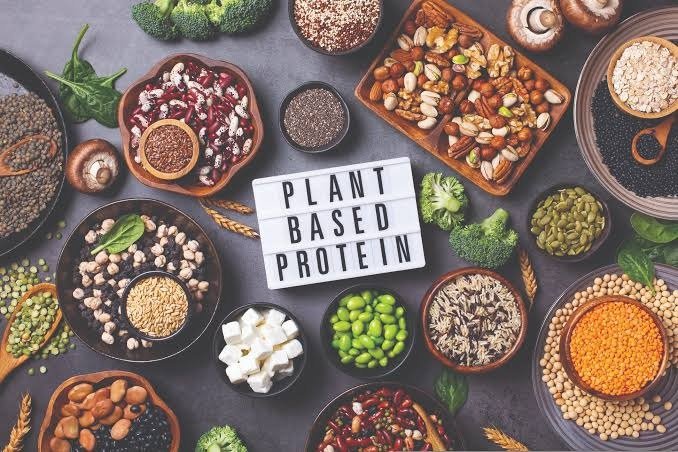
Legumes, soy foods, nuts, seeds, whole grains and several other plant foods contain protein.
Some particularly useful vegan protein sources include:
| Vegan Food | Approximate Protein* |
|---|---|
| Lentils, cooked | 18 g per cup |
| Chickpeas, cooked | 14–15 g per cup |
| Black beans, cooked | 15 g per cup |
| Tofu | ~10–20 g per serving, depending on type |
| Tempeh | ~15–20 g per 100 g |
| Edamame | ~17 g per cup |
| Seitan | ~20–25 g per 100 g |
| Soy milk | ~7–8 g per cup |
| Peanuts | ~7 g per 30 g |
| Pumpkin seeds | ~8–9 g per 30 g |
| Oats | ~5–6 g per ½ cup dry |
*Values vary by brand, preparation method and serving size.
The important lesson?
You don’t need one magical “vegan protein food.”
You need a diet that regularly includes protein-rich foods.
💪 How Much Protein Do You Actually Need?
This is where things become more interesting.
Protein requirements vary depending on factors such as:
- Body size
- Age
- Physical activity
- Muscle-building goals
- Pregnancy or breastfeeding
- Overall health
- Energy intake
For a generally healthy adult, a commonly used baseline recommendation is around 0.8 grams of protein per kilogram of body weight per day.
However, people who exercise regularly, are trying to build muscle, or are older may benefit from higher protein intakes.
For example, someone weighing 70 kg would have a baseline target of roughly:
70 × 0.8 = 56 grams of protein per day
But that doesn’t mean 56 grams is the ideal target for every 70-kg person.
A strength-training adult may have substantially different needs.
The takeaway: Don’t blindly copy someone else’s protein target from social media.
Your needs depend on you.
🧠 The “Complete Protein” Question
One of the most common concerns about vegan protein is:
“Don’t plant proteins lack essential amino acids?”
Here’s where the conversation often gets oversimplified.
Protein is made up of amino acids. Nine are considered essential because your body cannot produce enough of them on its own.
Different foods contain different amino-acid profiles.
Some plant proteins have lower amounts of particular essential amino acids than many animal proteins.
But that doesn’t mean plant proteins are automatically inadequate.
Eating a variety of plant protein sources throughout the day can provide the essential amino acids your body needs.
And some plant foods—including soy, quinoa and buckwheat—have relatively strong essential-amino-acid profiles.
So you don’t have to obsess over combining specific proteins at every meal.
Variety is the smarter strategy.
🍚 Do You Need to Combine Proteins at Every Meal?
This is another persistent myth.
You may have heard that you need to eat something like:
Rice + beans = complete protein
While combinations can certainly make nutritious meals, you don’t necessarily have to carefully combine complementary proteins at every sitting.
Your body maintains and uses an amino-acid pool from the foods you eat over time.
Instead of worrying about perfect combinations, focus on eating enough total protein and a diverse range of protein-containing foods.
Think:
🌾 Whole grains
🫘 Beans and lentils
🌱 Soy foods
🥜 Nuts
🌻 Seeds
🥦 Vegetables
🌱 The Best Vegan Protein Sources
Let’s break down some of the most useful options.
1. Soy Foods
Soy is one of the most versatile plant protein sources.
Examples include:
- Tofu
- Tempeh
- Edamame
- Soy milk
- Textured soy protein
Soy foods can make it much easier to increase protein without dramatically increasing meal volume.
2. Lentils and Beans
The humble lentil is a nutritional powerhouse.
Lentils, chickpeas, kidney beans, black beans and other legumes provide protein along with carbohydrates, fiber, vitamins and minerals.
They’re also inexpensive and easy to incorporate into everyday meals.
Think:
Dal + rice + vegetables
or
Chickpea salad + whole-grain bread
or
Bean burrito + vegetables
A vegan meal doesn’t have to look like a bodybuilding meal to contain meaningful protein.
3. Seitan
Seitan is made primarily from wheat gluten and can contain a substantial amount of protein.
Its texture also makes it a popular meat substitute.
However, it isn’t suitable for people with celiac disease or certain gluten-related conditions.
4. Nuts and Seeds
Almonds, peanuts, pistachios, pumpkin seeds, chia seeds, hemp seeds and other nuts and seeds can contribute protein.
But there’s an important point:
They’re protein sources, but they’re also calorie-dense foods.
If you’re trying to increase protein without dramatically increasing calories, relying entirely on nuts and seeds may not be the most efficient strategy.
5. Whole Grains
Rice, oats, quinoa, whole wheat and other grains aren’t usually thought of as “protein foods.”
But they still contribute protein.
And when combined with legumes, they can form highly nutritious meals.
For example:
Dal + rice
isn’t just a comforting meal.
It can also contribute meaningful protein to your daily intake.
🥗 What Does a High-Protein Vegan Day Look Like?
Here’s an example of how someone might distribute protein across the day.
Breakfast
Oatmeal made with fortified soy milk + chia seeds + peanut butter
Lunch
Lentil dal + brown rice + vegetables + tofu
Snack
Roasted chickpeas or edamame
Dinner
Tempeh or tofu stir-fry + quinoa + vegetables
Notice something?
There is no need to eat enormous quantities of one food.
Protein can be spread across the entire day.
⚠️ Why Some Vegan Diets End Up Low in Protein
The problem isn’t that plants don’t contain protein.
The problem can be what someone actually eats.
A vegan diet based heavily on:
🍟 Fries
🥖 Refined bread
🍬 Sweets
🥤 Sugary drinks
🍝 Refined pasta
🍪 Vegan cookies
can technically be vegan while still being nutritionally poor.
The label “vegan” doesn’t automatically mean “healthy.”
A well-planned vegan diet can be highly nutritious.
An poorly planned vegan diet can be low in protein and other important nutrients.
🚨 Don’t Forget These Nutrients
Protein isn’t the only nutritional consideration when following a vegan diet.
Depending on food choices, vegans may need particular attention to nutrients such as:
- Vitamin B12
- Iron
- Calcium
- Vitamin D
- Iodine
- Zinc
- Omega-3 fatty acids
Vitamin B12 deserves special attention.
Reliable B12 sources for vegans generally include fortified foods and supplements.
If you’re following a vegan diet long-term, discussing your nutritional needs with a qualified healthcare professional or registered dietitian can be valuable.
🏋️ Can Vegans Build Muscle?
Yes.
Muscle growth depends on several factors, including:
Resistance training + adequate protein + sufficient energy + recovery + consistency
A vegan diet doesn’t automatically prevent muscle gain.
However, people trying to maximize muscle growth may need to pay closer attention to:
- Total daily protein
- Protein distribution across meals
- Protein quality
- Overall calorie intake
- Resistance training
- Recovery
This is especially important because some plant proteins can have lower amounts of certain essential amino acids, particularly leucine, compared with some animal proteins.
That doesn’t make them useless.
It simply means protein quality and quantity both deserve attention.
🧓 What About Older Adults?
Protein becomes particularly important with aging because maintaining muscle mass and strength can become more challenging.
Older adults may have higher protein needs than the basic adult minimum suggests.
For someone transitioning to a vegan diet later in life, protein-rich foods should therefore be a regular part of meals rather than an afterthought.
Again, individual needs vary.
🧃 Do You Need Vegan Protein Powder?
Not necessarily.
Protein powder is a convenience—not a requirement.
If you can consistently meet your protein needs through foods such as:
- Lentils
- Beans
- Tofu
- Tempeh
- Soy milk
- Seitan
- Peas
- Nuts
- Seeds
- Whole grains
you may not need a supplement.
But protein powder can be useful when:
- You have a high protein target
- You’re frequently busy
- You struggle to eat enough food
- You exercise regularly
- You need a convenient post-workout option
Food first is a reasonable approach, but convenience has a place too.
🔍 A Simple Way to Check Your Vegan Protein Intake
Instead of wondering:
“Am I getting enough protein?”
try asking yourself:
1️⃣ Is there a protein-rich food in most of my meals?
2️⃣ Am I eating enough total food?
3️⃣ Do I regularly eat legumes or soy foods?
4️⃣ Am I relying mostly on refined carbohydrates?
5️⃣ Am I physically active or trying to build muscle?
6️⃣ Have I considered my individual protein requirements?
These questions can tell you much more than simply asking whether your diet is vegan.
🧠 The Biggest Vegan Protein Myth
Perhaps the biggest misconception is:
“Plants don’t have enough protein.”
The reality is more nuanced.
Plants can provide substantial amounts of protein, but not all plant foods are equally protein-dense.
Eating a varied diet makes it much easier to meet your requirements.
The real challenge isn’t necessarily finding protein.
It’s building meals around nutritious protein sources consistently.
🌍 Vegan Doesn’t Mean Protein-Free
Consider a traditional meal like:
Dal + rice + vegetables
or
Chickpeas + roti + salad
or
Tofu + vegetables + noodles
These aren’t exotic “vegan health meals.”
They’re ordinary foods that can contribute protein to a balanced diet.
The plant-based protein conversation is often made more complicated than it needs to be.
🤔 So, Can You Get Enough Protein on a Vegan Diet?
Yes.
For many people, a well-planned vegan diet can provide enough protein.
But “vegan” alone doesn’t guarantee adequate nutrition.
The key is to make protein-rich plant foods a regular part of your meals and to consider your individual needs.
Think of your diet as a puzzle.
You don’t need every piece to come from one food.
You need enough of the right pieces, consistently.
🌱 The Bottom Line
You don’t need meat, eggs or dairy to make protein possible.
You do need planning, variety and awareness.
Build meals around legumes, soy foods, whole grains, nuts, seeds and other nutritious plant foods. If your protein needs are higher because of exercise, age or other factors, you may need to be more intentional about your intake.
And remember:
A vegan diet isn’t automatically healthy—or unhealthy.
What matters is what you actually eat.
💬 Let’s Talk
If you follow a vegan or mostly plant-based diet:
What is your favorite high-protein vegan meal?
🥗 Tofu
🫘 Dal
🌱 Chickpeas
🥜 Peanut butter
🌾 Quinoa
🍲 Beans
💪 Something else?
And here’s a bigger question:
Do you think the fear of “not getting enough protein” is one of the biggest misconceptions about vegan diets?
Share your answer in the comments.
⚠️ Important Note
This article is intended for general educational purposes and isn’t a substitute for individualized medical or nutritional advice. Protein requirements vary considerably between individuals. People who are pregnant, breastfeeding, older adults, athletes, people with kidney or other medical conditions, or anyone with specific nutritional concerns should consider speaking with a qualified healthcare professional or registered dietitian before making major dietary changes.
Read more Interesting Reads here