Geopolitical friction across Europe has intensified dramatically as European Union leaders pledge a unified, decisive response against Russia following an attempted explosive drone attack at a major German logistics hub. The strategic fallout escalates as German law enforcement and intelligence agencies simultaneously launch probes into fresh, high-profile sabotage cases targeting critical domestic infrastructure.
Speaking at an informal gathering of foreign ministers in Ireland, EU High Representative for Foreign Affairs Kaja Kallas declared that the drone operation at Germany’s Leipzig/Halle Airport bore the clear hallmarks of “state-sponsored terrorism”. The incident has unified European Union member states and NATO allies in calling for expanded economic sanctions, tighter diplomatic restrictions, and an accelerated crackdown on Moscow’s global shadow network.
Executive Summary: Key Developments
- Leipzig Airport Drone Interception: German explosive experts defused an explosive-laden drone discovered near a Ukrainian Antonov An-124 cargo aircraft at Leipzig/Halle Airport—a key civilian freight facility and NATO logistics transit node.
- Formal Attribution by Berlin: The German government officially attributed the attempted sabotage to Russian state intelligence services, citing technical component matches from previous hybrid operations.
- EU Response & Countermeasures: The European Union is preparing targeted sanctions against Russia’s military-industrial complex and illicit shipping infrastructure, alongside coordinated diplomatic expulsions.
- German Diplomatic Penalties: Berlin announced the closure of the Russian Consulate General in Bonn and the termination of operations at the Russian House of Culture in Berlin.
- Fresh Infrastructure Sabotage Probes: German authorities are investigating two separate security incidents within 24 hours, including physical vandalism at an electrical substation in North Rhine-Westphalia that knocked 4,200 megawatts (MW) of coal-fired generation offline.
The Leipzig/Halle Airport Incident: Mechanics of a Hybrid Attack
Leipzig/Halle Airport serves as one of Europe’s busiest freight hubs, hosting operations for global logistics networks and providing strategic transport infrastructure for heavy cargo aircraft, including giant Ukrainian Antonov An-124 planes used to transport industrial and defense equipment.
                     +---------------------------------------+
                     |  Explosive Drone Placed at Leipzig    |
                     |  Targeting Antonov AN-124 Cargo Hub   |
                     +-------------------+-------------------+
                                         |
                                         v
                     +---------------------------------------+
                     |   Forensic & Intelligence Assessment  |
                     | - Technical components matched        |
                     | - Detonator & explosives defused      |
                     | - State-level planning identified     |
                     +-------------------+-------------------+
                                         |
            +----------------------------+----------------------------+
            |                                                         |
            v                                                         v
+-----------------------+                                 +-----------------------+
|  Diplomatic Action    |                                 |   EU Sanctions Push   |
| - Russian Ambassador  |                                 | - Expanded blacklist  |
|   officially summoned |                                 | - Crackdown on shadow |
| - Bonn Consulate and  |                                 |   maritime fleet      |
|   Cultural House closed|                                | - Energy infrastructure|
+-----------------------+                                 |   defense upgrades    |
+-----------------------+
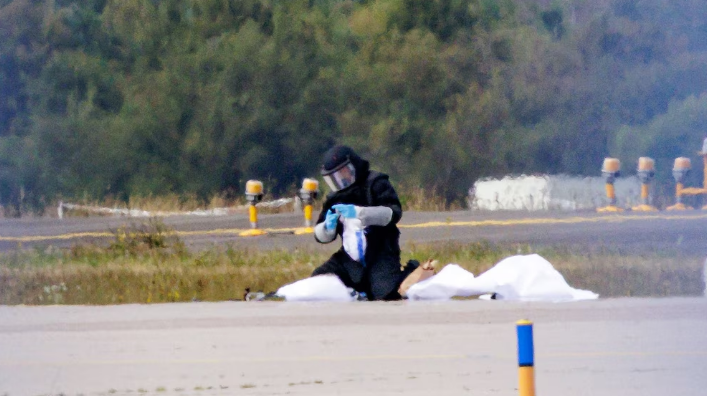
Airport personnel discovered a modified unmanned aerial vehicle (UAV) fitted with explosive charges and a functional detonator adjacent to parked cargo aircraft. German bomb-disposal units rendered the device safe before detonation occurred.
Following joint investigations by the Federal Criminal Police Office (BKA), local law enforcement, and international partner agencies, German Interior Minister Alexander Dobrindt confirmed that the configuration, fuel type, explosive compound, and triggering mechanisms mirrored signatures observed in previous Russian hybrid warfare operations. Authorities concluded that while the operation exhibited sophisticated state-level technical planning, execution was likely outsourced to local proxy operatives.
Germany Probes Fresh Sabotage Across Power and Transport Grids
As diplomatic friction flared over the airport drone discovery, German law enforcement opened emergency investigations into two additional incidents of suspected infrastructure sabotage occurring within a single 24-hour window.
+--------------------------------------------------------------------------+
|                     SUMMARY OF GERMAN INFRASTRUCTURE INCIDENTS           |
+--------------------------------------------------------------------------+
|                                                                          |
|  LOCATION / SITE                    IMPACT & INITIAL FINDINGS            |
|  ------------------                 ----------------------------------   |
|  Leipzig/Halle Airport (Saxony)     - Explosive drone defused near cargo |
|                                       freight hub   |
|                                     - Directly attributed to Russian     |
|                                       state intelligence|
|                                                                          |
|  Substation Vandalism (NRW)         - Physical intrusion and disruption  |
|                                       at power substation  |
|                                     - Forced 4,200 MW lignite units      |
|                                       off the national grid|
|                                                                          |
|  Critical Secondary Site            - Suspected physical sabotage under  |
|                                       federal police review |
+--------------------------------------------------------------------------+
The most severe secondary breach occurred in the western state of North Rhine-Westphalia (NRW). Saboteurs gained physical access to an electrical distribution substation, inflicting physical vandalism that forced lignite-fired power plant units with a combined capacity of 4,200 MW offline. Grid operators managed to avert widespread blackout conditions by rerouting reserve transmission lines, but security services classified the intrusion as a coordinated attempt to destabilize energy supply networks.
German domestic security officials noted that the timing of these attacks coincides with heightened political sensitivity, occurring immediately prior to crucial regional state elections where foreign policy, national security, and energy pricing dominate public debate.
Unified EU Action and Policy Measures
The European response extends across diplomatic, economic, and maritime domains as member states seek to raise the costs of gray-zone warfare.
- Diplomatic Countermeasures: Germany ordered the total shutdown of the Russian Consulate General in Bonn by mid-September 2026 and terminated legal agreements governing the Russian House cultural center in Berlin. Multiple European governments—including Belgium, Denmark, and Poland—summoned Russian diplomatic representatives to issue formal protests.
- Economic & Sector Sanctions: Under the direction of High Representative Kaja Kallas, EU foreign ministers are assembling an upgraded sanctions package targeting entities within Russia’s defense supply chains, technology procurement channels, and commercial intelligence units.
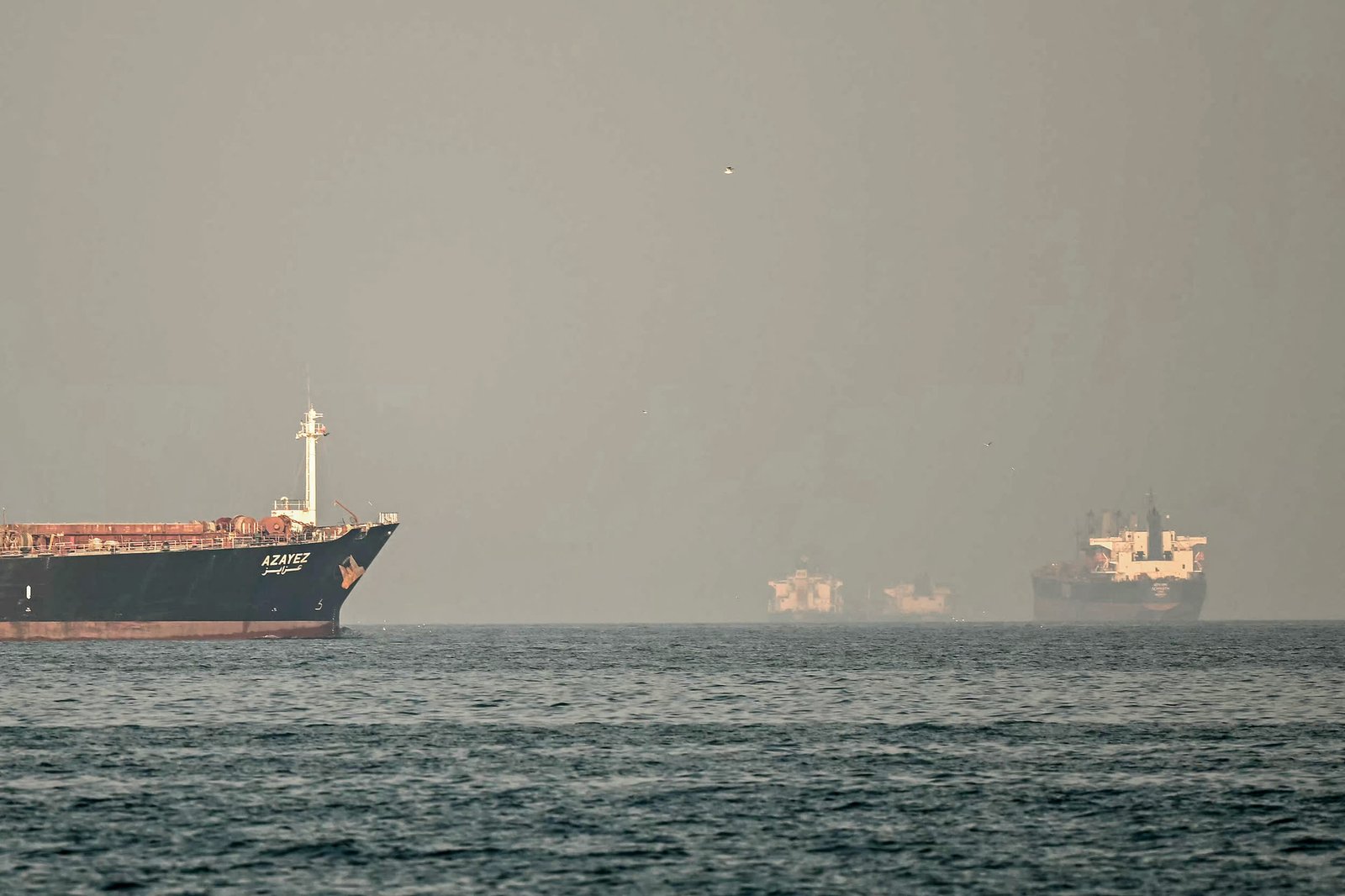
- Maritime “Shadow Fleet” Enforcement: Spearheaded by proposals from French and German delegations, the EU is expanding maritime interdictions and enforcement protocols against non-compliant oil tankers—the so-called shadow fleet—used to bypass Western price caps and fund hybrid operations.
- Resilience & Infrastructure Hardening: EU and NATO bodies are establishing joint surveillance frameworks to monitor civilian aviation infrastructure, energy distribution channels, undersea cables, and freight transport routes against proxy intrusions.
Official Moscow Response
Kremlin leadership and the Russian Foreign Ministry have denied responsibility for the Leipzig drone attack and subsequent sabotage probes. Russian Foreign Ministry spokesperson Maria Zakharova characterized Germany’s formal accusations as an “unfounded provocation” aimed at justifying escalating defense expenditure and maintaining domestic political support for Ukraine. Moscow warned that Germany’s decision to close diplomatic facilities would be met with swift reciprocal countermeasures against German institutions operating within Russia.
Despite Moscow’s denials, European leaders have reaffirmed their commitment to collective security. As investigations into Germany’s power grid disruptions proceed, the European Union’s policy posture reflects a structural transition: gray-zone aggression and infrastructure interference are now treated as direct threats requiring coordinated security, diplomatic, and economic responses.
Tensions between the European Union and Russia are rising again after a new drone attack prompted European officials to consider a stronger response, while Germany investigates suspected sabotage cases. The developments have renewed concerns about security across Europe and the growing risks linked to the conflict involving Russia and Ukraine.
The latest incidents come at a time when European governments are already dealing with heightened security threats, military concerns and political disagreements over how to respond to Moscow. The European Union is expected to examine additional measures against Russia as member states seek to strengthen their defenses and deter further hostile activity.
EU Considers Stronger Response
The European Union has repeatedly imposed sanctions on Russia since the war in Ukraine escalated. These measures have targeted individuals, companies, financial institutions, energy-related activities and other parts of the Russian economy.
A new drone attack could increase pressure on European governments to take further action. EU officials are expected to assess the circumstances surrounding the incident before deciding what additional steps may be appropriate.
Any response would need agreement among EU member states, which do not always have identical views on Russia policy. Some governments favor tougher measures, while others remain concerned about the economic consequences of additional sanctions.
The debate demonstrates how security incidents can quickly become part of a broader European discussion about defense, energy and foreign policy.
Germany Investigates Sabotage Cases
Germany is separately investigating new cases of suspected sabotage, adding another layer to concerns about possible security threats inside Europe.
German authorities have become increasingly focused on protecting critical infrastructure, transport networks, communications systems and energy facilities. The country has previously warned that hostile states could attempt to exploit vulnerabilities in important infrastructure.
Investigations into suspected sabotage can be complicated because authorities must establish who was responsible and determine whether an incident was deliberate. Evidence can take time to collect, particularly when potential links to foreign actors are involved.
Germany’s investigations therefore have significance beyond the individual cases. They form part of a wider European effort to identify and prevent activities that could threaten national security.
Growing Security Concerns
The combination of a drone attack and suspected sabotage cases highlights the changing nature of security risks facing European countries.
Traditional military threats remain important, but governments are also increasingly concerned about drones, cyberattacks, espionage, disinformation and attacks on infrastructure. These activities can create disruption without resembling conventional warfare.
European governments have responded by increasing security cooperation and strengthening intelligence-sharing arrangements. NATO members have also been examining ways to improve protection against drones and other emerging threats.
For the EU, the challenge is finding an effective response while preventing further escalation.
Russia-Europe Relations Remain Tense
Relations between Russia and European countries have deteriorated significantly since the invasion of Ukraine. Sanctions, military assistance to Kyiv and disagreements over energy supplies have fundamentally changed the relationship.
Europe has attempted to reduce its dependence on Russian energy and diversify its supply sources. At the same time, governments have increased defense spending and placed greater emphasis on protecting critical infrastructure.
Russia has rejected accusations of hostile activity when they have been made by European governments, while Moscow has repeatedly criticized Western sanctions and military support for Ukraine.
The continuing dispute means that even incidents outside active battlefields can have major diplomatic consequences.
What Comes Next?
The EU’s next steps will depend on the evidence surrounding the drone attack and the outcome of investigations in Germany. European governments are likely to coordinate closely before announcing any major measures.
Possible responses could include additional sanctions, stronger security cooperation, increased monitoring of sensitive infrastructure and enhanced protection against drone threats.
However, policymakers must also consider the possibility that aggressive responses could increase tensions further.
The latest developments show that the Russia-Europe confrontation extends beyond conventional military activity. Drone incidents and suspected sabotage investigations are becoming important parts of Europe’s broader security debate.
As Germany works to establish the facts behind the new cases and EU governments consider their response, relations with Moscow are likely to remain under intense pressure. The coming weeks could determine whether Europe adopts a more aggressive security strategy or focuses on strengthening existing measures against Russia.
Read more war updates here