Six months after the outbreak of war in Iran, the military landscape, the world economy, and global political balances have undergone radical shifts. What began under expectations of a swift operation has evolved into a prolonged, multi-front crisis with far-reaching consequences.
Below is an in-depth analysis of the six major consequences defining the conflict half a year in.
1. Global Energy Volatility and Maritime Chokepoint Disruption
The primary systemic consequence of the conflict has been the severe disruption of global energy supply lines, centered around the Strait of Hormuz.
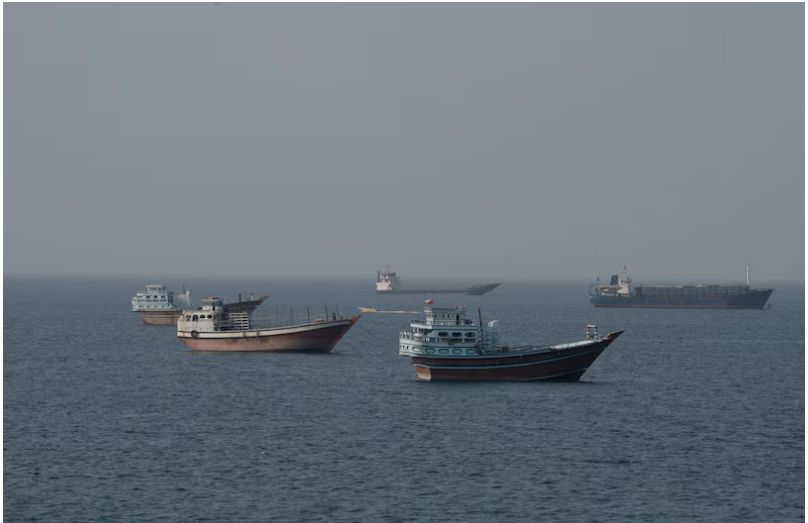
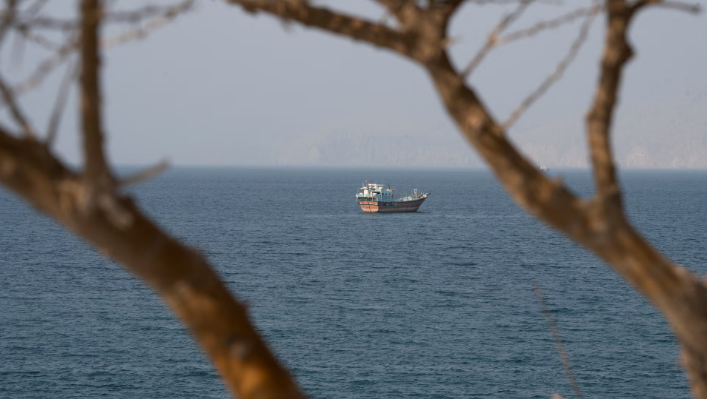
- The Maritime Blockade: The naval blockade and ongoing military activity in the Strait of Hormuz have effectively restricted transit through a waterway that normally handles roughly one-fifth of the world’s petroleum and liquid natural gas (LNG).
- Oil Price Spikes and Market Volatility: Supply interruptions drove Brent crude oil prices into sharp spikes during the initial months. While prices have fluctuated, a sustained risk premium remains baked into international energy trading, creating persistent baseline costs for importers worldwide.
- Alternative Routing Bottlenecks: Energy-exporting nations in the Gulf have attempted to bypass the Strait using overland pipelines. However, secondary infrastructure can handle only a fraction of normal daily throughput, leaving significant global shortfalls.
- Natural Gas and Fertilizer Pressures: Beyond crude oil, Qatar’s stranded LNG shipments have driven up gas prices across Europe and Asia, directly impacting electricity grids, chemical production, and nitrogen-based fertilizer manufacturing.
2. Macroeconomic Stress, Inflation, and Threatened Supply Chains
Rising energy costs have filtered directly into the wider global economy, triggering systemic inflation and slowing overall output.
- Stagflationary Pressures: Higher fuel and input costs have forced major central banks to delay projected interest rate cuts or reassess monetary easing. Central banks now face a dual challenge: fighting energy-driven inflation while trying not to stifle slowing economic growth.
- Cascading Commodity Costs: Energy price hikes have increased maritime and air freight rates globally. Transport-heavy industries, including agriculture and heavy manufacturing, face mounting operational surcharges.
- Impact on Developing Economies: Lower-income, energy-importing countries in South Asia, North Africa, and the Levant carry a disproportionate burden. Rising fuel costs push up basic food prices and expand fiscal deficits in nations already dealing with high foreign debt obligations.
- Growth Revisions: Major economic institutions, including the International Monetary Fund, have issued multiple growth downgrades for the current fiscal year as consumer purchasing power shrinks globally.
3. Shift in Middle Eastern Geopolitics and Security Realignments
Six months of conflict have forced regional powers to alter their foreign policy strategies, leading to new defense agreements and reduced reliance on traditional alliance frameworks.
- Regional Defense Initiatives: Gulf nations and neighboring states have accelerated bilateral and multilateral defense arrangements to protect critical infrastructure from regional missile and drone threats.
- Hedging and Diplomatic Autonomy: Regional powers are increasingly pursuing independent diplomatic paths rather than relying solely on external security guarantees. Talks involving regional heavyweights, including Saudi Arabia, Turkey, and Pakistan, reflect a desire for local stability management.
- Impact on Regional Integration: Initiatives aimed at broader regional trade and diplomatic normalization have slowed or pivoted toward hard security and emergency supply agreements.
4. Iranian Internal Resilience and Economic Degradation
Half a year into the conflict, Iran’s political structure and domestic economy reflect a state of heavy damage alongside internal consolidation.
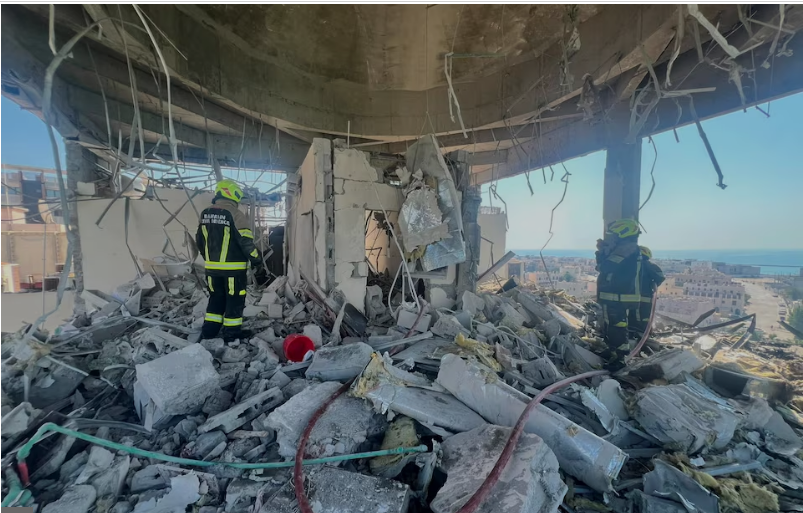
- Infrastructure Damage: A sustained air and naval campaign has disabled key coastal facilities, military bases, and transport hubs.
- Severe Domestic Inflation: The halt of standard oil exports, combined with international isolation, has triggered rapid currency depreciation. Annual food inflation inside Iran has surged into triple digits, placing severe financial pressure on daily domestic life.
- Political Consolidation: Despite widespread economic hardship, internal political divisions have largely been pushed to the background. Hardline domestic factions have tightened control over security apparatuses and public spaces to prevent internal instability.
- Asymmetric Persistence: Despite heavy damage to heavy conventional assets like air defenses and naval vessels, mobile missile capabilities, underground facility networks, and uncrewed aerial vehicle (UAV) inventories remain operational.
5. US Domestic Political Dynamics and Military Readiness Strain
The continuation of the war past its initial timeline has altered internal political conditions within the United States and strained military resources.
- Shifting Public Sentiment: Initial support for intervention has declined as the conflict has stretched on. Rising domestic fuel prices at American gas pumps have increased economic frustration among voters.
- Congressional Rifts: The prolonged conflict has created divisions within domestic political parties, separating non-interventionist lawmakers from those advocating continued military pressure on Tehran.
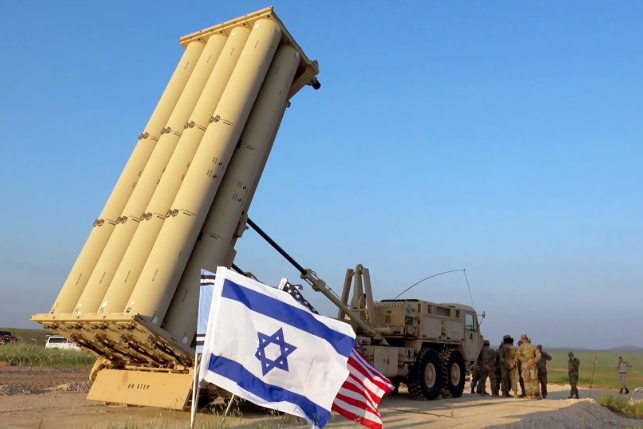
- Stockpile and Readiness Demands: Months of continuous naval deployments, defensive missile interceptions, and precision strikes have drawn heavily on munitions reserves, prompting debate over long-term strategic readiness across other global theaters.
6. Long-Term Reconfiguration of Global Trade Routes
The six-month conflict has caused lasting structural shifts in how international trade moves across regions, speeding up the search for alternative logistics pathways.
| Trade Corridor / Asset | Pre-Conflict Status | Current Operational Status |
| Strait of Hormuz | ~21 million barrels/day crude & 20% global LNG | Heavily restricted; subject to active maritime risk |
| Suez Canal Transit | Primary shortcut between Europe & Asia | Significant revenue drops due to persistent vessel rerouting |
| Cape of Good Hope | Secondary long-distance maritime route | Primary alternative route; adds 10-14 days to sea voyages |
| Cross-Gulf Energy Pipelines | Underutilized backup infrastructure | Operating near maximum capacity to bypass maritime bottlenecks |
- Permanent Supply Chain Rerouting: Shipping lines have adjusted schedules to avoid dangerous maritime corridors, accepting longer transit times and higher insurance premiums as part of standard operations.
- Impact on Global Logistics Nodes: Secondary maritime channels, such as the route around Africa’s southern tip, face increased traffic density, leading to higher fuel consumption and altered port calling schedules globally.
Looking Ahead
After six months, the conflict has moved beyond initial expectations into a protracted crisis of regional containment and global economic adjustment. With key maritime routes still constrained and diplomatic resolution facing complex regional hurdles, the geopolitical landscape has shifted toward a sustained period of high economic volatility and recalibrated alliances.
Six months into the Iran war, the conflict has developed far beyond its original expectations, creating lasting consequences for Iran, the United States, the Middle East and the global economy. What was initially presented as a potentially short military campaign has instead evolved into a prolonged confrontation involving military pressure, economic sanctions, energy disruption and uncertain diplomacy.
The war began on February 28 and has caused significant disruption across the region. Although military activity has eased compared with the opening phase, major issues remain unresolved, including Iran’s nuclear capabilities, control of strategic shipping routes and the future of U.S.-Iran relations.
Here are six major consequences of the conflict after six months.
1. Iran Has Suffered Heavy Military and Economic Damage
Iran has experienced extensive damage to its military capabilities and economy during the conflict. Infrastructure and economic activity have been affected, while continuing pressure from the United States has added to the country’s financial difficulties.
Washington has increasingly shifted from direct military action toward economic pressure. New sanctions have targeted Iranian financial networks and entities connected to trade and shipping.
The goal is to restrict Iran’s access to international financial channels and reduce the economic resources available to the government.
However, Iran has retained enough military and economic capability to remain a significant regional threat. Its ability to disrupt shipping and threaten U.S. allies means the conflict continues to pose security risks even as direct military operations decline.
2. Global Oil Markets Have Been Disrupted
One of the most important consequences of the Iran war has been the disruption of global energy markets.
The Strait of Hormuz is a critical route for international oil and liquefied natural gas shipments. Since the conflict began, oil flows through the strait have fallen dramatically, creating concerns about energy supplies and transportation.
The disruption has contributed to higher energy prices and increased volatility.
However, the global economy has proven more resilient than some early forecasts suggested. Improvements in energy efficiency, changes in demand and adjustments by producers and consumers have helped limit the overall economic damage.
China’s reduced crude imports have also helped offset some supply pressure, making the country an increasingly important influence on global oil markets.
3. The Middle East Faces Greater Security Risks
The conflict has increased security risks throughout the Middle East.
Countries allied with the United States, particularly Gulf states, have faced heightened uncertainty because of their geographical proximity to Iran.
The security of shipping routes has become a major concern.
Even a limited disruption can increase insurance costs, delay shipments and force vessels to take alternative routes. Recent data showed shipping through the Strait of Hormuz remained below normal levels despite a slight increase in traffic.
The conflict has therefore created a wider regional security problem rather than remaining limited to Iran and its immediate opponents.
4. Iran’s Nuclear Program Remains Uncertain
Iran’s nuclear capabilities have been significantly set back, but questions remain about how much of the country’s nuclear infrastructure has been permanently disabled.
Limited access to some enrichment sites has made it difficult to establish the full extent of the damage.
This uncertainty is important because Iran’s nuclear program has been one of the central issues in tensions with the United States and its allies.
Any future diplomatic agreement will likely need to address questions about enrichment, inspections and Iran’s ability to rebuild nuclear facilities.
As long as those questions remain unresolved, the possibility of renewed confrontation will remain.
5. The War Has Put Pressure on U.S. Military Readiness
Six months of sustained military operations have also placed pressure on the U.S. military.
Extended deployments and the use of large quantities of munitions can reduce available stocks and create additional logistical demands.
The longer a conflict continues, the more difficult it becomes to maintain readiness for other potential global crises.
This has implications for U.S. strategic planning because Washington must balance its commitment to the Middle East with military responsibilities elsewhere.
The war has therefore become not only a foreign-policy challenge but also a test of America’s ability to sustain a prolonged military campaign.
6. The Conflict Has Created Political Problems for Trump
The Iran war has also had significant political consequences in the United States.
Rising gasoline prices and public dissatisfaction with the conflict have contributed to declining approval for President Donald Trump.
Recent polling found that support for U.S. military action against Iran had fallen to 31%, down from 37% in March. Trump’s approval rating was also reported at 33%.
The political pressure could become particularly important as the United States approaches the 2026 midterm elections.
Republican lawmakers could face questions from voters about the cost of the conflict, energy prices and the government’s strategy for ending the war.
This makes the search for a diplomatic solution increasingly important for Washington.
Diplomacy Remains Difficult
Despite the enormous costs of six months of conflict, diplomacy has yet to produce a lasting settlement.
Recent mediation efforts involving Qatar and Oman have raised hopes that dialogue could resume.
The discussions have focused on reducing tensions, restoring freedom of navigation and addressing the situation around the Strait of Hormuz.
However, major disagreements remain over Iran’s nuclear program, economic sanctions and regional security.
A temporary reduction in military activity does not necessarily mean that the underlying dispute has been resolved.
Conclusion
After six months, the Iran War has produced consequences that extend far beyond the battlefield.
Iran has suffered serious military and economic damage but retains the ability to threaten regional stability. Global energy markets have been disrupted, while the Strait of Hormuz has become a central point of international concern.
The conflict has also increased security risks across the Middle East, left major uncertainty surrounding Iran’s nuclear capabilities and placed pressure on U.S. military resources.
In Washington, the war has created political difficulties as voters respond to higher energy costs and growing concerns about the length of the conflict.
The biggest question now is whether diplomacy can succeed where military pressure has failed to produce a decisive resolution.
For the global economy and regional security, the answer could determine whether the consequences of the Iran War remain manageable or develop into an even broader international crisis.
Read more war updates here